


Chinese Proposed Mining Ban: Death of Bitcoin Mining?

On 8 April 2019, the National Development and Reform Commission (NDRC)(中國發改委) is currently seeking public opinion on a revised list of industries that it wants to encourage, restrict or eliminate. The public consultation period will end on 7 May 2019.
According to the NDRC, cryptocurrency mining is one of the over 450 activities that should be eliminated. The culprits of this being the inability to adhere national laws and regulations, accused pollution and energy wastage from mining Bitcoin, as well as safety concerns. However, the NDRC does not specify the target date or actual plan on how to eliminate cryptocurrency mining.
The revised list of the NDRC should not be surprising as we all know China has been hostile towards cryptocurrency sector. It now comes to the following question:
What will be the impact when China really bans all Bitcoin mining?
1) Bitcoin Price
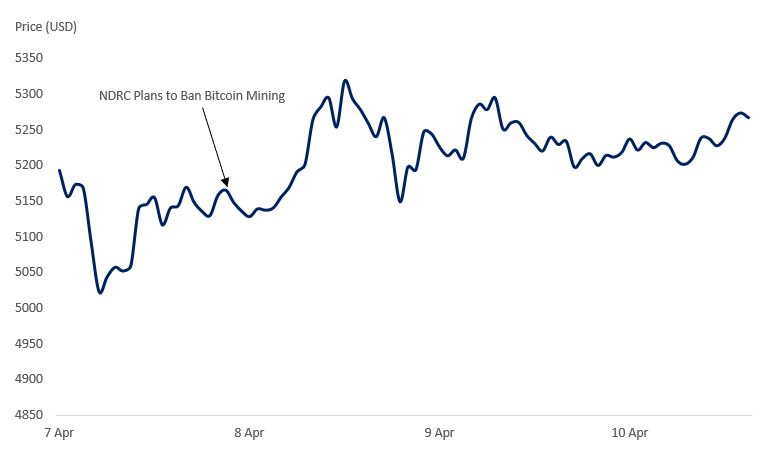
Exhibit 1: Price of Bitcoin after Chinese Proposed Mining Ban
Source: Blockchain.News Data, Cryptocompare
Despite the NDRC planned to ban Bitcoin mining on 8 April, the price of Bitcoin did not suffer and hover around USD 5100-5300. We believe this is because the crypto market has already expected restrictive policies from China, and no one would be surprised by the Chinese proposed ban on mining. However, we do foresee the price of Bitcoin will drop in short term once the Chinese ban comes into effect.
2) Bitcoin Mining Pool Distribution and Hash Rate
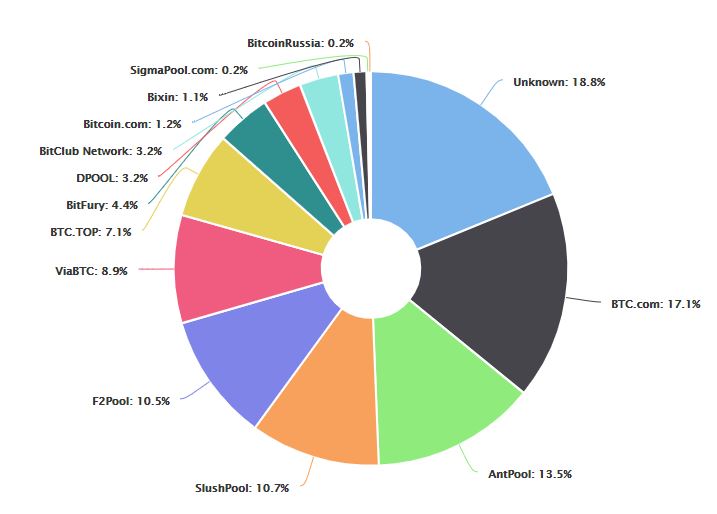
Exhibit 2: Bitcoin Mining Pool Distribution (7 – 10 Apr)
Source: Blockchain.com
The top mining pools in China including BTC.com, AntPool, F2Pool and ViaBTC, account for at least 50% of the hash power of Bitcoin mining. Once Bitcoin mining is suspended in China, we can foresee the loss of hash power is likely to slow down the Bitcoin network in short term.
3) Decentralization of Bitcoin Mining?
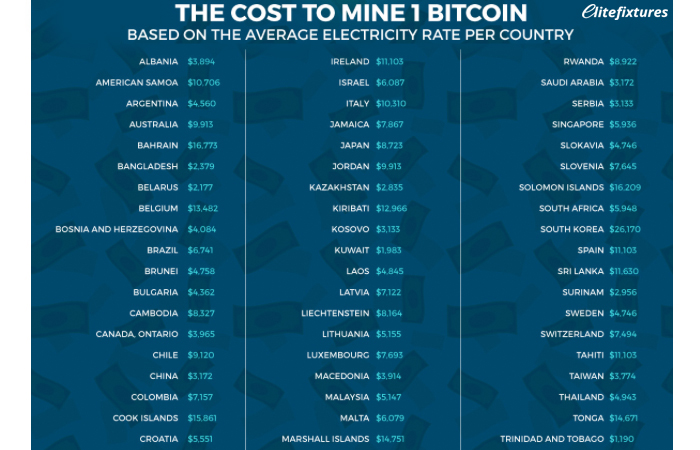
Exhibit 3: Electricity costs to Mine 1 Bitcoin
Source: Elitefixtures.com
With the abundant resources in coal, electricity and land supply, China is one of the cheapest countries to mine Bitcoin (USD 3172 each). Once Bitcoin mining is banned in China, we foresee the Chinese miners will shift their mining power to other countries. One popular location can be Quebec in Canada. Despite Canada charged a higher electricity tariff for cryptocurrency miners, we still believe Quebec is still a popular alternative to Chinese miners because of the abundant supply of hydro power.
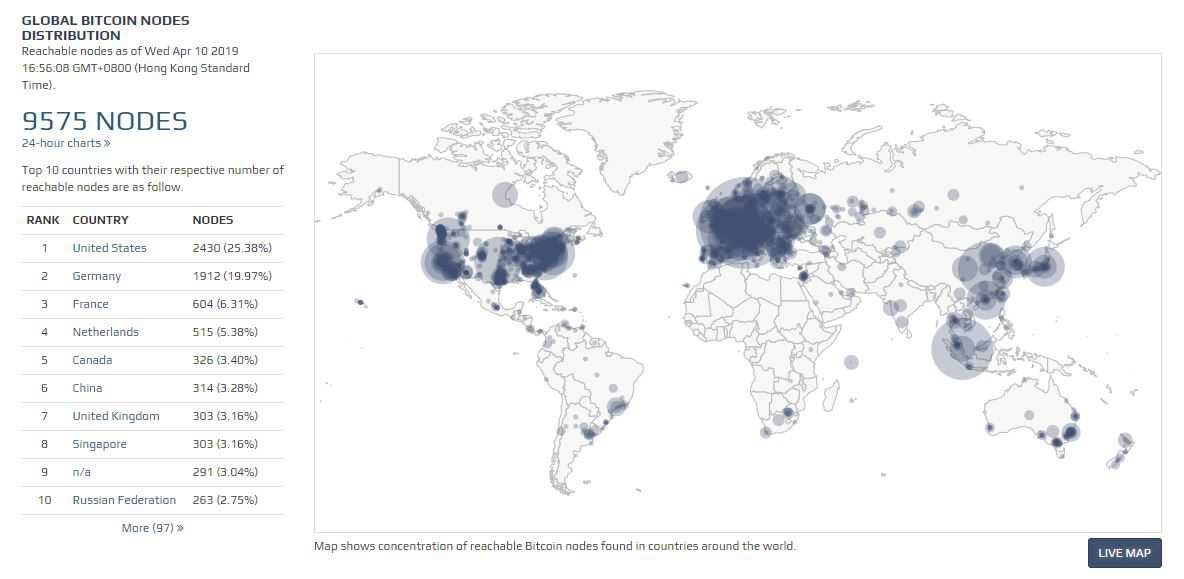
Figure 4: Geographical Distribution of Bitcoin Nodes
Source: Bitnodes
When Bitcoin mining is banned in China, we believe the Chinese miners will move to countries like the United States and Canada. In terms of geographical distribution of Bitcoin nodes, this shift will further decentralize the location of miners, but not necessarily the distribution of Bitcoin hash power.
4) Impact on Chinese Mining Giants?
Given the hostile attitude of Chinese government on Bitcoin mining, we believe this proposed mining ban have limited impact on the Chinese mining giants as they eyed overseas expansion long time ago. Take Bitmain as an example, Bitmain planned to expand its mining operations in Quebec since start of 2018. However, not all oversea expansions went with Bitmain’s plan, as they shut down the operations in Amsterdam and Israel few months ago due to crypto winter.
So.. does it mean the death of Bitcoin Mining?
We believe the proposed mining ban in China will not lead to the death of Bitcoin mining. However, the Bitcoin network should be prepared as more than 50% of hash power can be lost initially once the mining ban comes into effect. We foresee countries like Canada can be the main beneficiary and they can attract more Chinese Bitcoin miners to come by providing tariff incentives.