


Forensic Examinations of Hong Kong Seized Protestor Phones Draws Criticism From Crypto Community

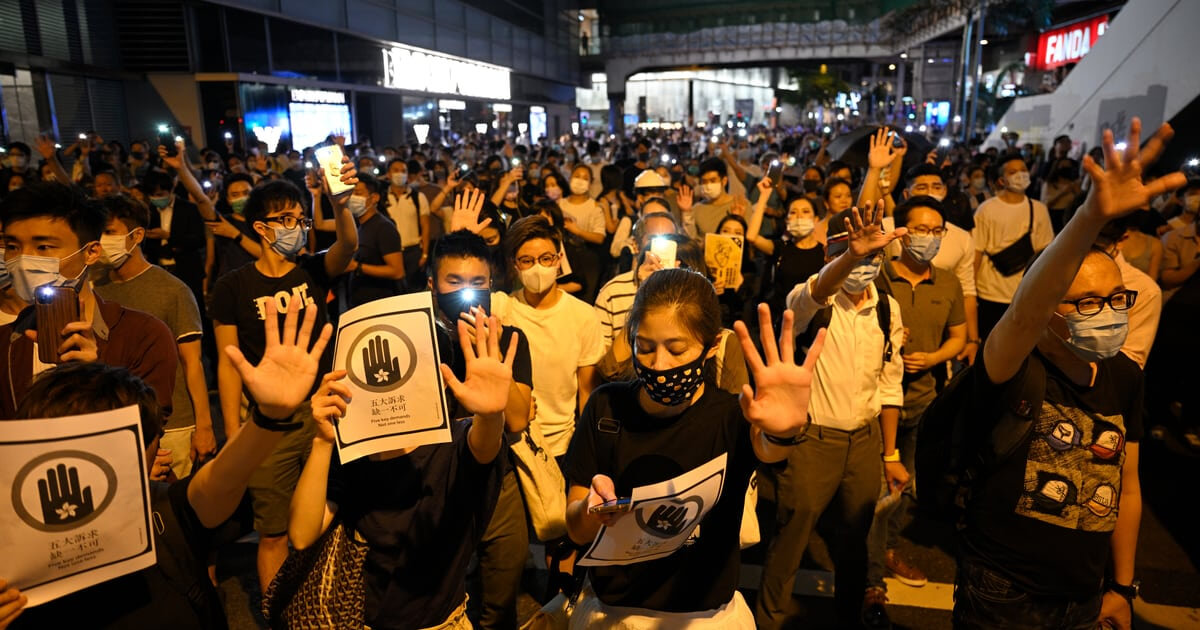
Charles Lee, Hong Kong’s Secretary for Security announced last week that the Hong Kong police have seized nearly 4000 mobile phones from protestors.
Hong Kong has been in the midst of massive social uncertainty as citizens have been taking to the streets in waves of activism which began as a way to combat China’s extradition law. The protest has now evolved to five demands which are all in reaction to China’s growing influence and controls. So far more than 6,000 arrests have been made.
According to an article by the Business Insider published on Jan. 11, in front of Hong Kong’s Legislative Council Lee said, “Under Hong Kong Law, law enforcement agencies have the responsibility to prevent and detect crime to protect citizens’ lives and property.”
Uproar in Crypto Community
An issue that seems to have raised the ire of the cryptocurrency community was the announcement the police had conducted “digital forensic examinations,” said Lee without commenting on how the forensic examinations were conducted.
One of the outspoken leaders of the pro-democracy Umbrella movement, Joshua Wong said in a tweet last month that messages on his phone were extracted without permission and used against him in court. The police had obtained a warrant to search his phone while Wong was being held, according to an article the South China Morning Post
No community is perhaps as vocal about the desire and right to privacy and self-sovereignty as the crypto community. Fernando Gutierrez, CMO, Dash told Decrypt, “We understand the need for authorities to fight crime, but not by renouncing privacy. Authorities are not always right or trustworthy, so the authorities-know-better approach is not acceptable.” He added, “Individuals should have a choice about what is public and what is private. Cryptography is the most potent tool available to the individual to defend from bigger and more mighty beasts, like governments, but also from smaller ones, like all sorts of criminals. With cryptocurrencies, we extend to money, which is extremely potent.”
As his main justification for the digital forensics examinations of the confiscated phones, Lee cited a previous Hong Kong ruling from 2017, which said that, in demanding situations, police could examine the contents of arrested people’s phones without a warrant.