


Mining, Sustainability and the New Revenue Streams and How Bitcoin Miners Are Adapting Post-Halving

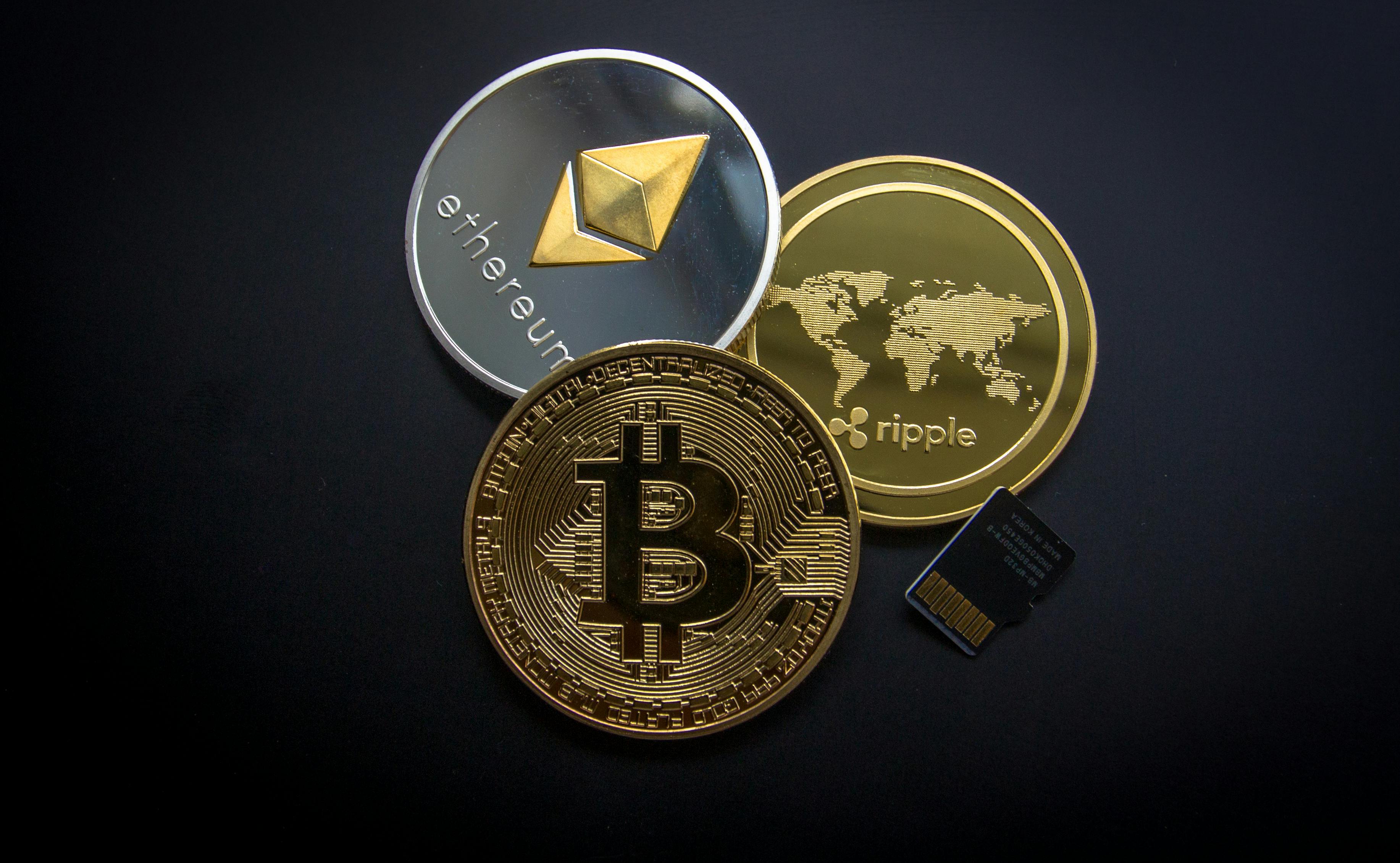
The post-halving period for Bitcoin mining has initiated a race for innovation. As rewards decrease and energy expenses increase, miners face pressure to enhance efficiency, find new revenue streams and make sustainability a defining advantage rather than a secondary concern.
Following the 2024 halving, which reduced block rewards to 3.125 BTC, miners have had to adjust to significant changes in both economics and competition. At the same time, the btc price remains volatile, adding another layer of uncertainty to already narrow margins.
According to the provided OKX market trends on November 18, 2025, the price of Bitcoin was US$93,371.20. This underlines the price volatility that the mining community faces in this regard.
Efficiency takes centre stage
For anyone involved in mining operations, the challenge is direct: output has been cut while costs continue to rise. Halvings function as a natural filtering mechanism and only the most efficient operators remain profitable after each event. To stay competitive, miners are now focused on reducing unnecessary overhead rather than simply expanding capacity.
According to OKX network statistics published in early November 2025, the global Bitcoin hashrate really reached its highest level on record, reflecting both intense competition and large-scale investment in next-generation mining infrastructure.
Three efficiency priorities dominate today’s mining landscape:
- To transition over to the next-generation ASICs that hash at a higher rate of performance per watt of power consumed.
- Securing cheaper electricity, often through long-term contracts or access to surplus energy streams.
- Data-driven optimisation, including thermal-management improvements, advanced monitoring systems and reductions in downtime.
Instead of being strictly reliant on scale, the miners are now focusing on the efficiency of their operations and striving to derive the same levels of performance based on the difficulty cycles.
Sustainability becomes strategic
Cost efficiency is no longer enough to stay competitive. Mining companies now prioritise sustainable electricity sources, seeking not just low costs but energy profiles that strengthen environmental positioning.
As of the middle of 2025, estimates by the Cambridge Centre of Alternative Finance estimate that Bitcoin’s power source consists of 52.4% renewables and nuclear power.
Having facilities close to hydro resources, wind power, geothermal power plants or surplus power resources cuts costs and pollution. The costs of electricity can run as low as US$0.05 per kilowatt-hour; the best places, such as Paraguay, the hydro-rich provinces of Canada and certain African states, offer rates of US$0.02-$0.03 per kilowatt-hour.
As global energy markets tighten, sustainability has shifted from a simple cost-management tactic to a core competitive advantage that supports long-term operational resilience.
Diversified revenue streams emerge
Halving cycles have pushed mining far beyond its original model of simply producing Bitcoin blocks. The industry is evolving into a multi-layered digital infrastructure sector and capital spending over the past two years reflects this shift. Many mining companies are now building parallel revenue streams that reduce dependence on Bitcoin’s price.
Common diversification strategies include:
- AI and high-performance computing (HPC) hosting, with miners repurposing or supplementing ASIC-based setups using GPU or CPU clusters to run compute-intensive workloads.
- Grid-balancing and demand-response services, where miners curtail usage or sell excess energy during peak demand.
- Infrastructure leasing, where facilities rent out power, space or cooling capacity to blockchain, computational or scientific clients.
This transition shifts mining firms away from single-threaded revenue models, providing them with far more predictable returns than in earlier cycles.
Global shift in mining geography
The need for low-cost electricity with a reliable supply is impacting the geography of Bitcoin. Within the Middle East and North African region, the price of electricity ranges from $0.035 to $0.07 per kilowatt-hour. This makes the area attractive for mining.
This led to growing investments by the sector’s actors, who sought to secure long-term deals and favorable regulatory regimes with favorable cooling conditions.
U.S.-listed mining companies, on the other hand, although comprising an overwhelming majority of the significant global mining power, may still face higher operating costs and stricter regulatory requirements. Statistics released in the middle of 2025 showed that U.S.-listed mining companies controlled 31.5% of the world’s mining power.
As mining extends its operations into new territory, issues such as climate adaptability, regulatory flexibility and the availability of highly skilled personnel take precedence over the issue of initial electricity costs regarding the development of major mining clusters.
Financial health and network resilience
Mining remains viable, but only for operators who tightly manage their cost structures. Throughout 2024 and 2025, network difficulty reached multiple record highs and rising electricity prices forced many smaller or less efficient miners offline.
Nevertheless, despite this reduction in capability, the combined network hash rate continues to increase, indicating that the sector is gradually becoming more professional with increased funding.
Operators with disciplined financial planning, through improved ASIC efficiency, diversified revenue models and structured energy agreements, are proving more capable of weathering volatility in both operational costs and the BTC price.
In the end
Mining Bitcoin after the 2024 halving has evolved from being primarily about obtaining block rewards to being more about developing infrastructure that can adapt. People who view mining as more of a business than just an extractive activity are the ones who are handling the transition well.
Innovation, intelligent cost management and various forms of services will shape the new form of the mining sector. As the system evolves, mining firms that focus on adaptability rather than scaling up remain at the forefront of securing Bitcoin around the world.