


Why traders continue to use automated forex robots for execution

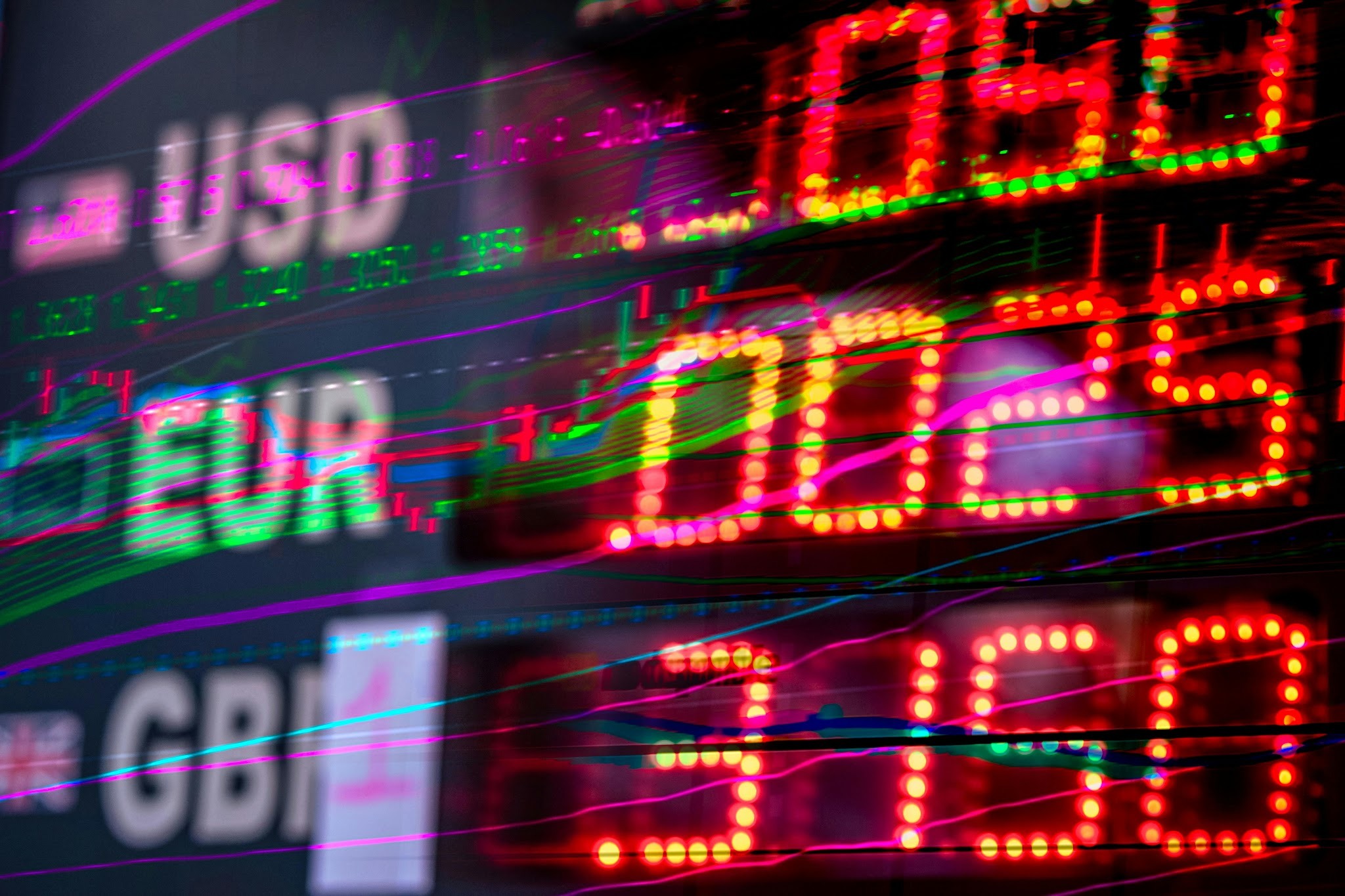
These days, automation is just part of the landscape in finance. In the world of forex, where markets move fast and opportunities pop up and vanish in the blink of an eye, traders have turned to automated forex robots to keep up. What started as a bit of an experiment for some has become the go-to method for lots of people who trade every day.
Forex trading has always been a race. Prices shift in seconds, news spreads instantly and if you’re not quick, you miss out. That kind of pressure is exactly why automation has taken off.
Automated forex robots, some folks call them expert advisors or trading bots, are all over the place now. Their job? Pretty simple. They watch the markets, crunch the numbers and place trades based on whatever strategy you set up ahead of time.
It might sound high-tech, but it’s not that complicated in practice. You either build your own trading algorithm or find one online, plug it into your platform and let it run. The real draw is that these systems deliver things manual trading just can’t; speed, discipline and the ability to trade non-stop, day and night.
How automation took over forex trading
Sure, automation isn’t new in finance. Big institutions and hedge funds have relied on algorithms for ages. The shift now is that regular traders have access to the best forex auto robot, too. What used to be reserved for Wall Street is now just a quick download away.
Most forex platforms let you automate your trades through built-in scripting or third-party add-ons. You can even grab ready-made strategies from developers if you don’t feel like starting from scratch. As trading gets more competitive, being able to act fast is a huge edge. Automated robots can keep an eye on a dozen currencies at once, from the USD to the EUR: Something that’s nearly impossible to do by hand, no matter how much coffee you drink.
Markets also throw a ton of data at you these days, from technical indicators to news headlines. An automated system handles all that in milliseconds and jumps on opportunities before you even notice them.
Why speed and precision matter
Speed is really the headline here. In forex, if you’re slow, you lose. Getting in or out of a trade just a few seconds late can mean the difference between a win and a miss. Robots cut out the lag. When the algorithm spots a signal, the trade goes through right then and there. No hesitation. No second-guessing.
They’re also sticklers for the rules. If your strategy says to buy when two moving averages cross, the robot does it every single time. No room for nerves or gut feelings to mess things up.
People aren’t always that consistent. Emotions get in the way; fear, excitement and frustration. Automated trading leaves all that at the door and just sticks to the plan, trade after trade.
Taking emotions out of the equation
Anyone who’s traded knows how much emotions can mess with your head. Even the best strategy can go sideways if you let stress or impatience take over. You see a small dip and bail out too soon, or you cling to a losing trade hoping for a miracle turn. Do that enough times, and your profits start to slip away.
Automated forex robots don’t care about nerves or hope. They run on code and data. Once you’ve set the rules, they never waver.
This is a lifesaver during wild market swings; when most traders are panicking, the robot just keeps following the plan.
Trading around the clock
Forex runs 24 hours a day. No human can watch the market all the time. It’s impossible. Robots, though, never get tired. They’re always on, scanning for opportunities and placing trades whether you’re asleep, at work or just living your life.
This is huge for traders who rely on quick moves: Stuff like scalping or intraday strategies that need fast reactions you just can’t maintain by yourself hour after hour. With automation, you don’t have to worry about missing out while you’re away from the screen.
Tools that help you build better trading strategies
Automated trading has exploded in the last few years. These days, it feels like every trading platform comes packed with tools to help you test your ideas before you ever risk real money.
Backtesting is a big one. You can run your algorithm through old market data and see how it would have performed. Sure, just because a strategy worked before doesn’t mean it’ll always work. But backtesting gives you a sense of the risks and the kind of profits you might expect.
Then there are optimization tools. They let you play with your strategy’s settings until you find that sweet spot between risk and reward. Thanks to these features, automated trading isn’t just for techies and pros anymore. Beginners can dive in too.
Don’t ignore risk management
Automated trading isn’t a magic money machine. Robots follow rules, but if your strategy stinks, you’ll still lose money, just faster.
That’s why risk management matters so much. Most automated systems pack in things like stop-loss orders, position sizing and tools to protect you from big losses.
But traders can’t just set it and forget it. You’ve got to watch your performance and tweak your strategies as the market shifts. Automation helps, but it doesn’t replace good judgment.